
Verdict: Home storage buyers upgrading alongside multi-gig fiber and Wi-Fi 7 routers are increasingly splitting between hardware-first 2.5GbE/10GbE enclosures (UGREEN NASync DXP4800 Plus and Terramaster F4-424 Pro) for fast LAN transfers and hardware 4K Plex transcoding, and software-first enclosures (Synology DiskStation DS224+ and DS923+) for mature DiskStation Manager (DSM 7.2) backup apps, Surveillance Station, and Active Backup for Business.
| Home NAS Architecture | Primary Representative Models | Standard LAN Ports | Processor & GPU Class | Best Household Use Case |
|---|---|---|---|---|
| Turnkey Software First | Synology DS224+ / DS423+ | Dual 1GbE RJ45 | Intel Celeron J4125 (Quick Sync iGPU) | Turnkey family photos, Time Machine, and 1GbE Plex |
| BtrfsECC & 10GbE Ready | Synology DS923+ | Dual 1GbE (optional 10GbE card) | AMD Ryzen R1600 (ECC RAM, no iGPU) | Multi-PC business backups and snapshot integrity |
| Multi-Gig Hardware First | UGREEN NASync DXP4800 Plus | 10GbE + 2.5GbE RJ45 | Intel Pentium Gold 8505 (UHD iGPU, DDR5) | Multi-gig LAN editing, 4K transcoding, and NVMe pools |
| 8-Core Docker Compute | Terramaster F4-424 Pro | Dual 2.5GbE RJ45 | Intel Core i3-N305 (8-core, 32GB DDR5) | Heavy Docker stacks, Home Assistant VMs, and custom OS |
Why 2.5GbE networking and Intel Quick Sync are driving the comparison
Three practical changes in home networks have shifted how buyers evaluate two-bay and four-bay NAS enclosures in 2026:
- Multi-gigabit home routers are now standard: Many Wi-Fi 7 mesh systems and ISP fiber gateways include 2.5GbE LAN ports. A single 1GbE NAS port caps sequential file transfers around 110 to 115 MB/s, whereas a 2.5GbE or 10GbE port on enclosures like the UGREEN NASync DXP4800 Plus or Terramaster F4-424 Pro allows multi-drive RAID arrays and NVMe SSD pools to transfer large video libraries more than twice as fast.
- Hardware-accelerated 4K video transcoding: Plex’s hardware-accelerated streaming documentation relies on integrated GPU engines such as Intel Quick Sync Video when transcoding 4K HEVC media for remote devices. Buyers comparing the Synology DiskStation DS923+ (which uses an AMD Ryzen Embedded R1600 without an integrated GPU) against Intel-based enclosures must check whether their clients direct-play 4K streams or require server-side transcoding.
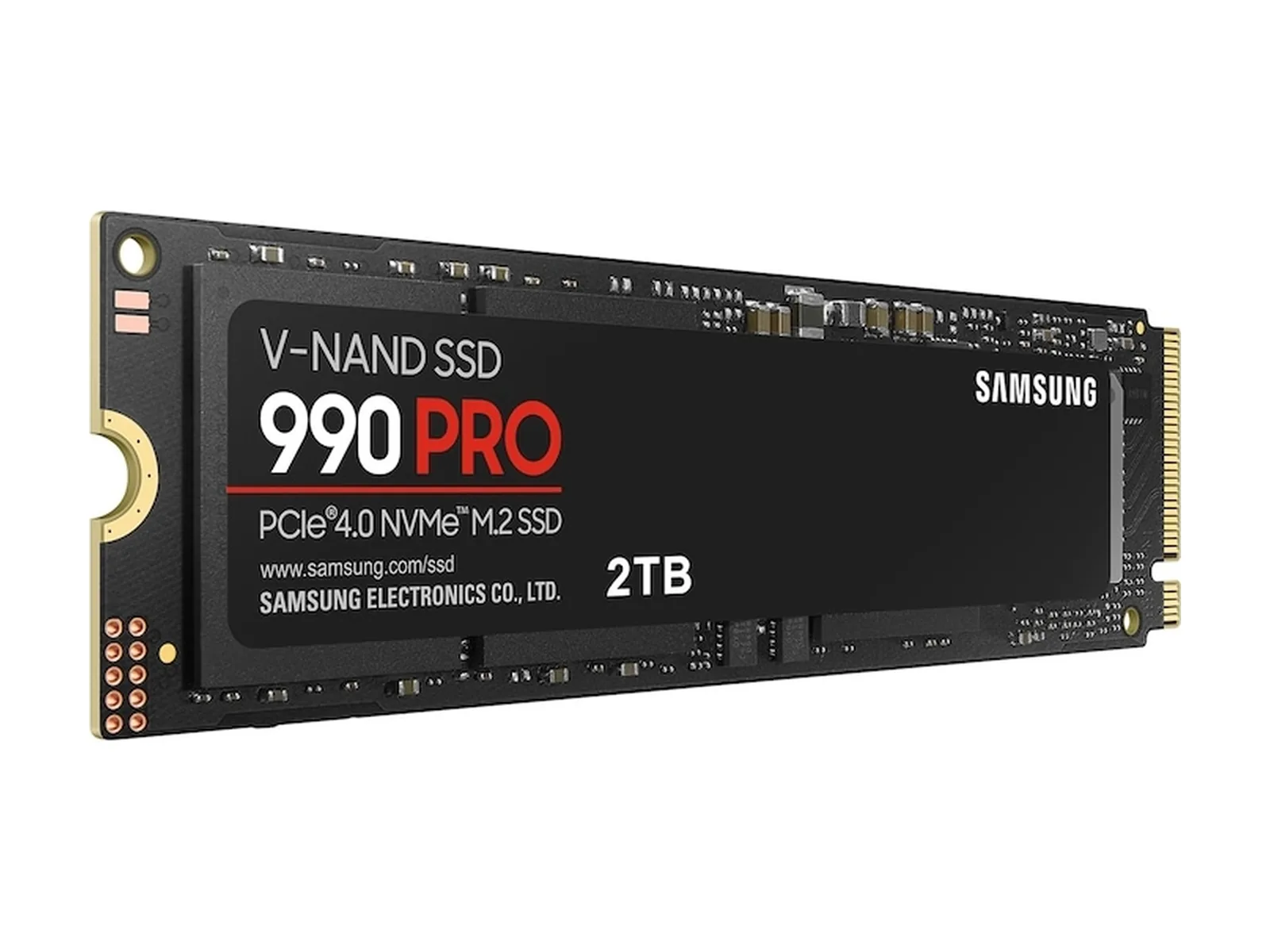
- M.2 NVMe SSD storage pool flexibility: Newer multi-bay enclosures allow standard third-party M.2 NVMe drives to function either as read/write cache or as fast independent storage volumes for Docker containers and photo thumbnails.
Where Synology DiskStation Manager still holds a clear lead
Hardware specifications only tell half the story. For households that want set-and-forget backups rather than manual container administration, Synology’s DS224+ and DS423+ continue to stand out for three reasons:
- Turnkey backup suites: Active Backup for Business, Hyper Backup, and Snapshot Replication provide scheduled, deduplicated PC, Mac, and cloud backups with guided recovery wizards.
- Polished mobile apps: Synology Photos and Synology Drive offer reliable family photo sharing and mobile background uploads without complex port-forwarding setup.
- Long-term security maintenance: Synology’s track record of predictable DSM security advisories and multi-year firmware support remains a benchmark in home storage.
Before ordering an enclosure and drives, compare full specifications in our UGREEN NASync vs Synology buying guide and our Best NAS for Home & Plex roundup.
How we evaluated the 2026 home NAS shift
We evaluated the 2026 home NAS market by auditing official hardware datasheets from Synology, UGREEN, and Terramaster alongside Plex hardware-acceleration documentation and independent storage reviews. Each architecture is compared across five verifiable criteria: native RJ45 LAN speed (1GbE vs 2.5GbE/10GbE), integrated Quick Sync GPU transcoding support, M.2 NVMe storage pool restrictions, ECC memory support, and native backup operating system maturity. We ruled out single-bay enclosures without RAID 1 drive redundancy, and we document honest trade-offs for every platform: Synology’s entry Plus models remain limited to 1GbE ports, while newer hardware-first brands have a shorter first-party app track record.
Frequently asked questions
Why are home NAS buyers switching from 1GbE to 2.5GbE and 10GbE ports?
A standard 1GbE network port bottlenecks multi-drive RAID arrays and NVMe SSD caches at roughly 115 MB/s. Upgrading to a NAS with 2.5GbE or 10GbE networking allows modern hard drives and SSD pools to reach 280 MB/s to over 1,000 MB/s across Wi-Fi 7 routers and multi-gig switches.
Does the Synology DiskStation DS224+ support hardware Plex transcoding?
Yes, the Synology DiskStation DS224+ and four-bay DS423+ use the quad-core Intel Celeron J4125 processor with integrated Intel Quick Sync Video graphics. With an active Plex Pass subscription, both models support hardware-accelerated 4K H.265 transcoding, unlike the AMD Ryzen-powered Synology DS923+.
Should you choose UGREEN NASync or Synology for your first home NAS?
Choose Synology (DS224+ or DS423+) if you want a turnkey backup appliance with mature mobile photo apps, guided RAID setup, and Active Backup for Business. Choose UGREEN NASync DXP4800 Plus if you prioritize built-in 10GbE and 2.5GbE ports, DDR5 memory expansion, and third-party M.2 NVMe storage pools.