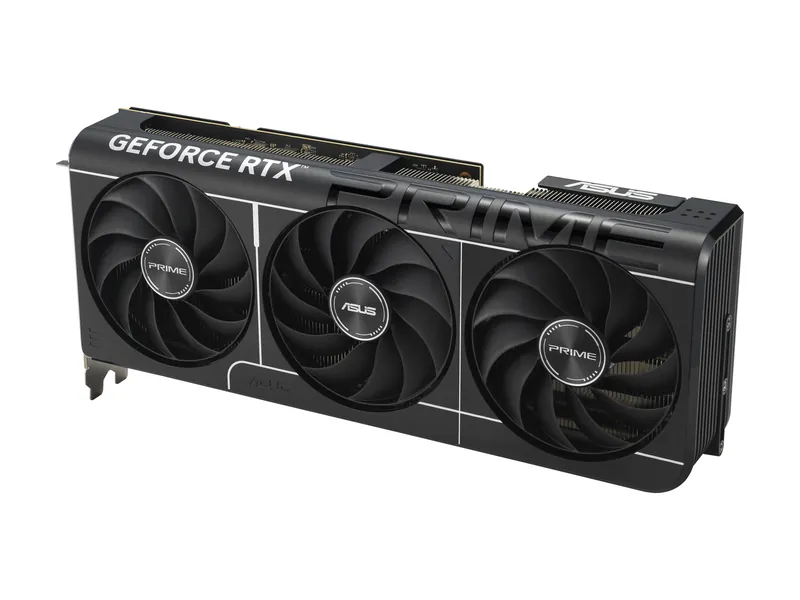
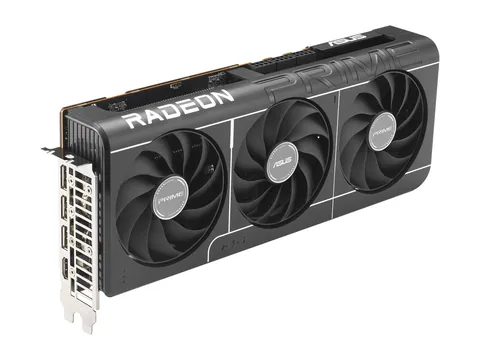
RTX 5070 Ti (ASUS Prime)
The fastest card here, with DLSS and 16GB. You pay the steepest markup for it.
Best value at 1440p: RX 9070 XT. NVIDIA with 16GB: RTX 5070 Ti. DLSS for less: RTX 5070. 1080p: RX 9060 XT 16GB. Skip 8GB cards for a new build.
We may earn a commission when you buy through our links. As an Amazon Associate I earn from qualifying purchases. Affiliate disclosure
Alternatives first. The recommended use-case pick is last; these are not lab scores.
Jump to the final pick ↓The fastest card here, with DLSS and 16GB. You pay the steepest markup for it.
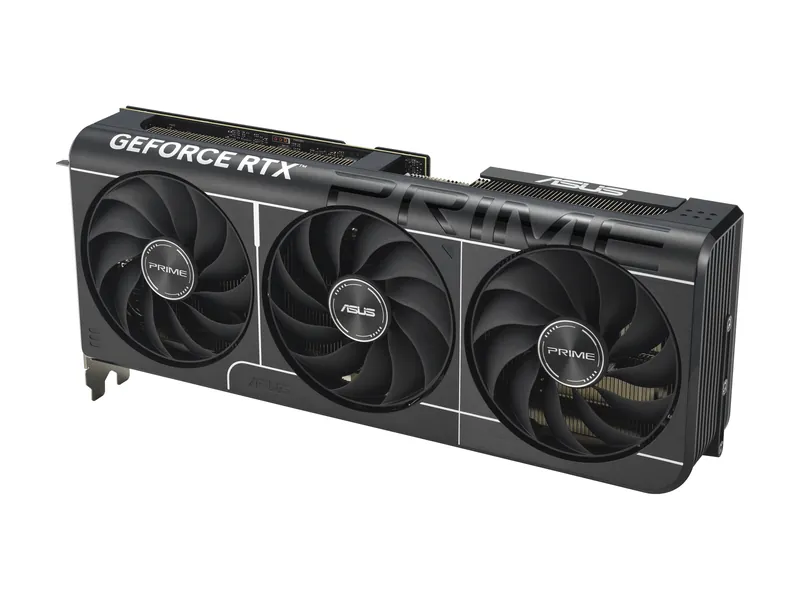
DLSS at 1440p for less. 12GB is the compromise you sign up for.
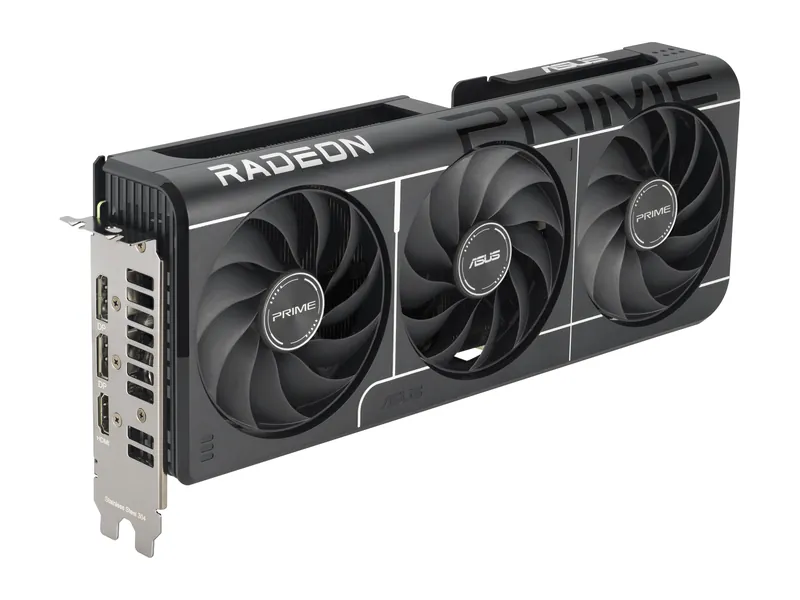
Our lowest-MSRP route to 16GB. Built for 1080p, fine at 1440p with sensible settings.
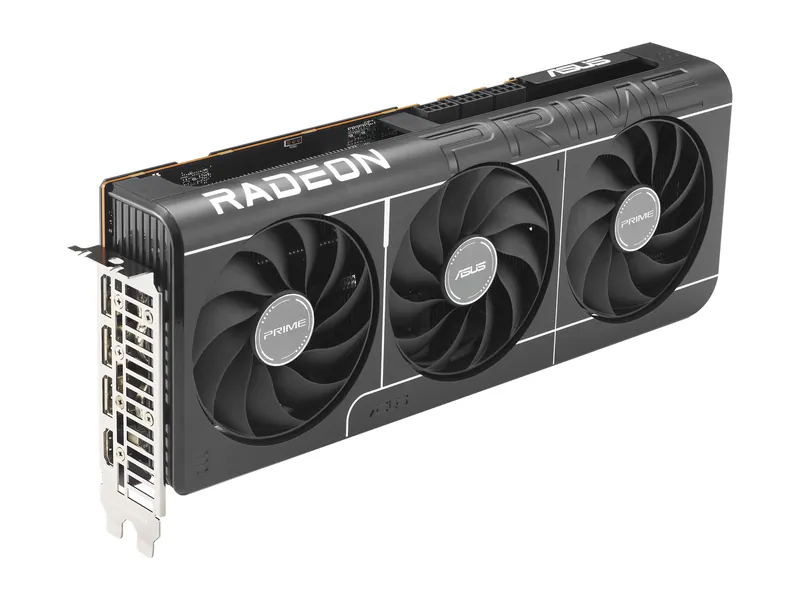
16GB, near-RTX 5070 Ti raster speed, and a smaller premium over MSRP.
Store links checked Oct 10, 2026, 1:30 PM ET. Check current prices at the store.
ASUS Prime GeForce RTX 5070 Ti OC Edition 16GB · 1 of 4
Get it if You want strong ray tracing, DLSS 4 and 16GB for 1440p high refresh or 4K with upscaling.
Skip it if You care mostly about raster. The RX 9070 XT ties it at 1440p for less.
| GPU | NVIDIA GeForce RTX 5070 Ti · 8,960 CUDA cores (NVIDIA) |
|---|---|
| VRAM | 16GB GDDR7 · 256-bit (NVIDIA) |
| Memory bandwidth | 896 GB/s (28 Gbps × 256-bit, ASUS/NVIDIA) |
| 1440p raster | 116.8 fps avg, 1440p ultra (Tom's Hardware hierarchy) |
| 1440p ray tracing | 66.2 fps avg, 1440p ultra (Tom's Hardware hierarchy) |
| Boost clock | 2527 MHz in OC mode (ASUS) |
| Board power | 300W total graphics power (NVIDIA) |
| Power connectors | 1× 16-pin (ASUS) |
| Recommended PSU | 750W (ASUS) |
| Size | 304 × 126 × 50 mm · 2.5 slots (ASUS) |
| Outputs | 1× HDMI 2.1b · 3× DisplayPort 2.1b (ASUS) |
| Launch MSRP (GPU) | $749 at launch, no Founders Edition (NVIDIA chip MSRP; checked 2026-10-10) |
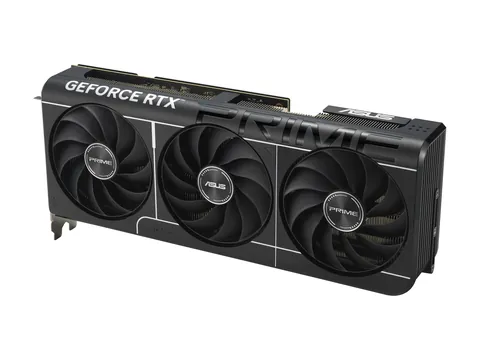
ASUS Prime GeForce RTX 5070 OC Edition 12GB · 2 of 4
Get it if You play at 1440p, lean on DLSS, and want the card that drifted least from its launch price.
Skip it if You mod heavily or keep a card for five years. 12GB is the part that ages first.
| GPU | NVIDIA GeForce RTX 5070 · 6,144 CUDA cores (NVIDIA) |
|---|---|
| VRAM | 12GB GDDR7 · 192-bit (NVIDIA) |
| Memory bandwidth | 672 GB/s (28 Gbps × 192-bit, ASUS/NVIDIA) |
| 1440p raster | 96.4 fps avg, 1440p ultra (Tom's Hardware hierarchy) |
| 1440p ray tracing | 51.5 fps avg, 1440p ultra (Tom's Hardware hierarchy) |
| Boost clock | 2587 MHz in OC mode (ASUS) |
| Board power | 250W total graphics power (NVIDIA) |
| Power connectors | 1× 16-pin (ASUS) |
| Recommended PSU | 750W for this card (ASUS; NVIDIA lists 650W for the chip) |
| Size | 304 × 126 × 50 mm · 2.5 slots (ASUS) |
| Outputs | 1× HDMI 2.1b · 3× DisplayPort 2.1b (ASUS) |
| Launch MSRP (GPU) | $549 at launch (NVIDIA chip MSRP; checked 2026-10-10) |
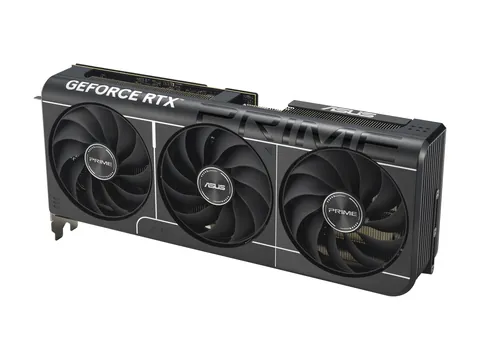
ASUS Prime Radeon RX 9060 XT OC Edition 16GB · 3 of 4
Get it if You game at 1080p, or 1440p with sensible settings, and want 16GB instead of 8GB.
Skip it if You expect high-refresh 1440p in new AAA games. Tom's measured 67 fps on average at 1440p ultra.
| GPU | AMD Radeon RX 9060 XT · 32 compute units (AMD) |
|---|---|
| VRAM | 16GB GDDR6 · 128-bit (AMD) |
| Memory bandwidth | 320 GB/s (AMD) |
| 1440p raster | 67.3 fps avg, 1440p ultra (Tom's Hardware hierarchy) |
| 1440p ray tracing | 31.0 fps avg, 1440p ultra (Tom's Hardware hierarchy) |
| Boost clock | Up to 3330 MHz in OC mode (ASUS) |
| Board power | 160W total board power (AMD reference) |
| Power connectors | 1× 8-pin (ASUS) |
| Recommended PSU | 550W (ASUS) |
| Size | 304 × 126 × 50 mm · 2.5 slots (ASUS) |
| Outputs | 1× HDMI 2.1b · 2× DisplayPort 2.1a (ASUS) |
| Launch MSRP (GPU) | $349 at launch, 16GB (AMD chip MSRP; checked 2026-10-10) |
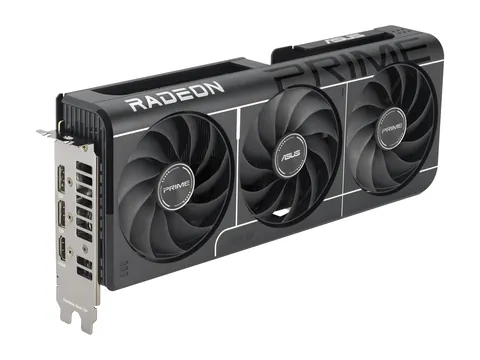
ASUS Prime Radeon RX 9070 XT OC Edition 16GB · 4 of 4
Get it if You play at 1440p and want RTX 5070 Ti raster speed without paying NVIDIA's markup.
Skip it if Ray tracing or DLSS-only features are why you're upgrading. Also check your PSU — it wants 750W and three 8-pin cables.
| GPU | AMD Radeon RX 9070 XT · 64 compute units (AMD) |
|---|---|
| VRAM | 16GB GDDR6 · 256-bit · 640 GB/s (AMD) |
| Memory bandwidth | 640 GB/s (AMD) |
| 1440p raster | 116.5 fps avg, 1440p ultra (Tom's Hardware hierarchy) |
| 1440p ray tracing | 55.5 fps avg, 1440p ultra (Tom's Hardware hierarchy) |
| Boost clock | Up to 3030 MHz in OC mode (ASUS) |
| Board power | 304W total board power (AMD reference) |
| Power connectors | 3× 8-pin (ASUS) |
| Recommended PSU | 750W (ASUS) |
| Size | 312 × 130 × 50 mm · 2.5 slots (ASUS) |
| Outputs | 1× HDMI 2.1b · 3× DisplayPort 2.1a (ASUS) |
| Launch MSRP (GPU) | $599 at launch (AMD chip MSRP; checked 2026-10-10) |
Pick two. Compare the numbers—not the marketing.
Frame rates are Tom's Hardware averages at 1440p ultra (hierarchy updated June 24, 2026). Emphasis marks more VRAM, more bandwidth or higher fps. Ties stay neutral.
| Specification | ||
|---|---|---|
| GPU | ||
| VRAM | ||
| 1440p raster | ||
| 1440p ray tracing | ||
| Bandwidth | ||
| Board power | ||
| PSU | ||
| Launch MSRP |
| Specification | Best NVIDIA card with 16GBRTX 5070 Ti (ASUS Prime) | Best for DLSS on a budgetRTX 5070 (ASUS Prime) | Best for 1080pRX 9060 XT 16GB (ASUS Prime) | Our top pick for value for 1440pRX 9070 XT (ASUS Prime) |
|---|---|---|---|---|
| At a glance | ||||
| GPU | NVIDIA GeForce RTX 5070 Ti · 8,960 CUDA cores (NVIDIA) | NVIDIA GeForce RTX 5070 · 6,144 CUDA cores (NVIDIA) | AMD Radeon RX 9060 XT · 32 compute units (AMD) | AMD Radeon RX 9070 XT · 64 compute units (AMD) |
| VRAM | 16GB GDDR7 · 256-bit (NVIDIA) | 12GB GDDR7 · 192-bit (NVIDIA) | 16GB GDDR6 · 128-bit (AMD) | 16GB GDDR6 · 256-bit · 640 GB/s (AMD) |
| 1440p raster | 116.8 fps avg, 1440p ultra (Tom's Hardware hierarchy) | 96.4 fps avg, 1440p ultra (Tom's Hardware hierarchy) | 67.3 fps avg, 1440p ultra (Tom's Hardware hierarchy) | 116.5 fps avg, 1440p ultra (Tom's Hardware hierarchy) |
| 1440p ray tracing | 66.2 fps avg, 1440p ultra (Tom's Hardware hierarchy) | 51.5 fps avg, 1440p ultra (Tom's Hardware hierarchy) | 31.0 fps avg, 1440p ultra (Tom's Hardware hierarchy) | 55.5 fps avg, 1440p ultra (Tom's Hardware hierarchy) |
| Bandwidth | 896 GB/s (28 Gbps × 256-bit, ASUS/NVIDIA) | 672 GB/s (28 Gbps × 192-bit, ASUS/NVIDIA) | 320 GB/s (AMD) | 640 GB/s (AMD) |
| Board power | 300W total graphics power (NVIDIA) | 250W total graphics power (NVIDIA) | 160W total board power (AMD reference) | 304W total board power (AMD reference) |
| PSU | 750W (ASUS) | 750W for this card (ASUS; NVIDIA lists 650W for the chip) | 550W (ASUS) | 750W (ASUS) |
| Launch MSRP | $749 at launch, no Founders Edition (NVIDIA chip MSRP; checked 2026-10-10) | $549 at launch (NVIDIA chip MSRP; checked 2026-10-10) | $349 at launch, 16GB (AMD chip MSRP; checked 2026-10-10) | $599 at launch (AMD chip MSRP; checked 2026-10-10) |
Chip specs from AMD and NVIDIA. Card specs from ASUS. Frame rates from the Tom’s Hardware GPU hierarchy. Street-price context from Tom’s Hardware’s best GPUs guide, checked October 10, 2026. We don’t test cards ourselves.
Prices first. All four of our picks sell above MSRP. In Tom’s October roundup, median street prices sat about 20% over MSRP for the RTX 5070, 27% for the RX 9070 XT, 33% for the RX 9060 XT 16GB and 47% for the RTX 5070 Ti. Compare street prices, not launch prices. We link stores instead of quoting numbers that change by the hour.
VRAM. Buy 16GB for 1440p if you can. The RTX 5070’s 12GB is the one exception we make, because DLSS earns it a spot. Skip 8GB cards for a new build.
Raster vs. ray tracing. At 1440p ultra, Tom’s measured the RX 9070 XT at 116.5 fps and the RTX 5070 Ti at 116.8 — a tie. Turn on ray tracing and the 5070 Ti pulls ahead, 66.2 to 55.5. Pay the NVIDIA premium for ray tracing and DLSS, not for raster.
Power. Check your PSU before you click. ASUS recommends 750W for the 9070 XT, 5070 Ti and 5070 Prime cards, and 550W for the 9060 XT. The 9070 XT needs three 8-pin cables. The NVIDIA cards use one 16-pin.
The badge. We picked ASUS Prime versions because the specs, images and listings are easy to verify, and they share one 2.5-slot design. Another brand’s card with the same chip at a lower street price is a fine swap. The chip matters more than the sticker.
What about the RX 9070 GRE? Tom’s says it’s the one card still close to MSRP. It’s 12GB and slower than the RTX 5070 in Tom’s 1440p average (86.6 vs. 96.4 fps). If you find it at MSRP and play at 1440p or below, it’s a reasonable buy.
Image credits: RTX 5070 Ti (ASUS Prime) — ASUS · RTX 5070 (ASUS Prime) — ASUS · RX 9060 XT 16GB (ASUS Prime) — ASUS · RX 9070 XT (ASUS Prime) — ASUS.